Precise Particle Size Distribution
Control the cut point and product consistency without excessive fines or unstable output.

Explore proven ultrafine grinding and classification solutions for lithium iron phosphate, silicon-carbon anode, lithium carbonate and expanded graphite.
Battery powders need more than a target micron number. The full process must protect material quality, manage heat and contamination, and remain stable when production scales up.
Control the cut point and product consistency without excessive fines or unstable output.
Select wear protection and contact materials around the chemistry and purity requirement.
Manage heat-sensitive or reactive powders with suitable gas, sealing and monitoring options.
Translate laboratory findings into a production line with repeatable throughput and quality.
The following project parameters are based on supplied factory case records. Final equipment selection should always follow material testing.
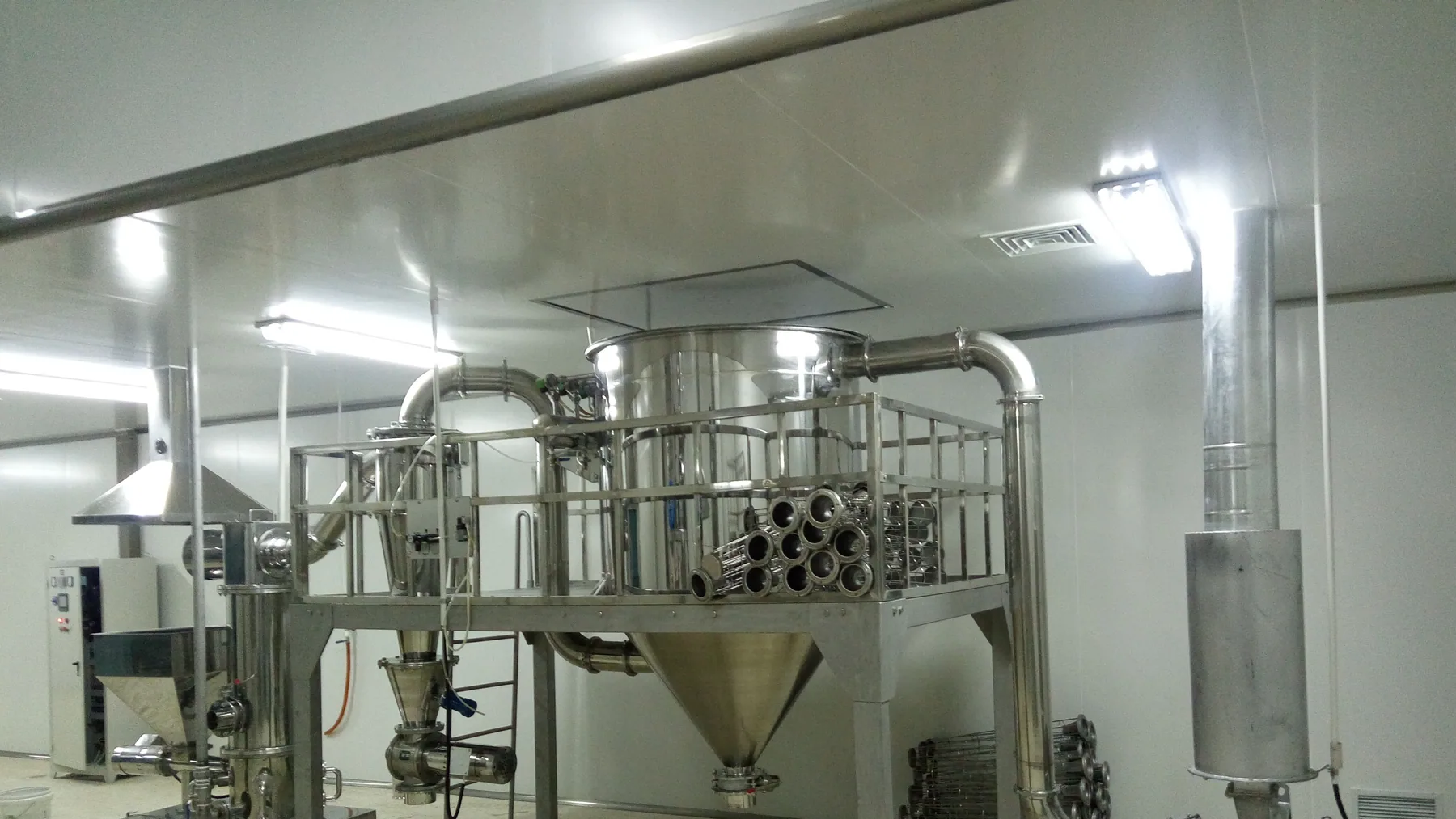
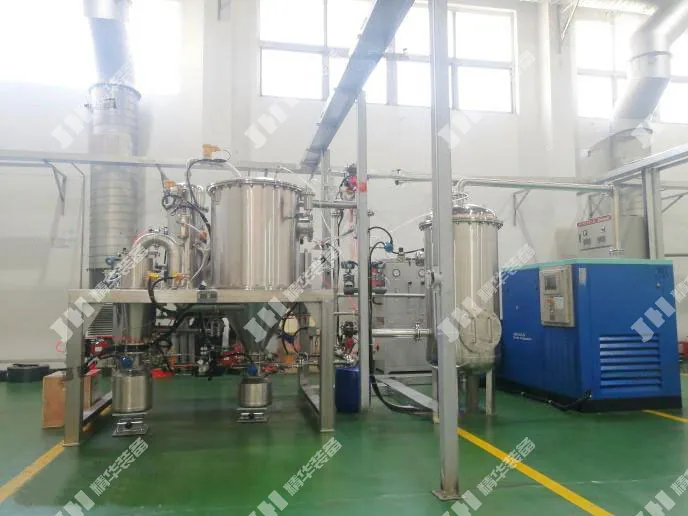
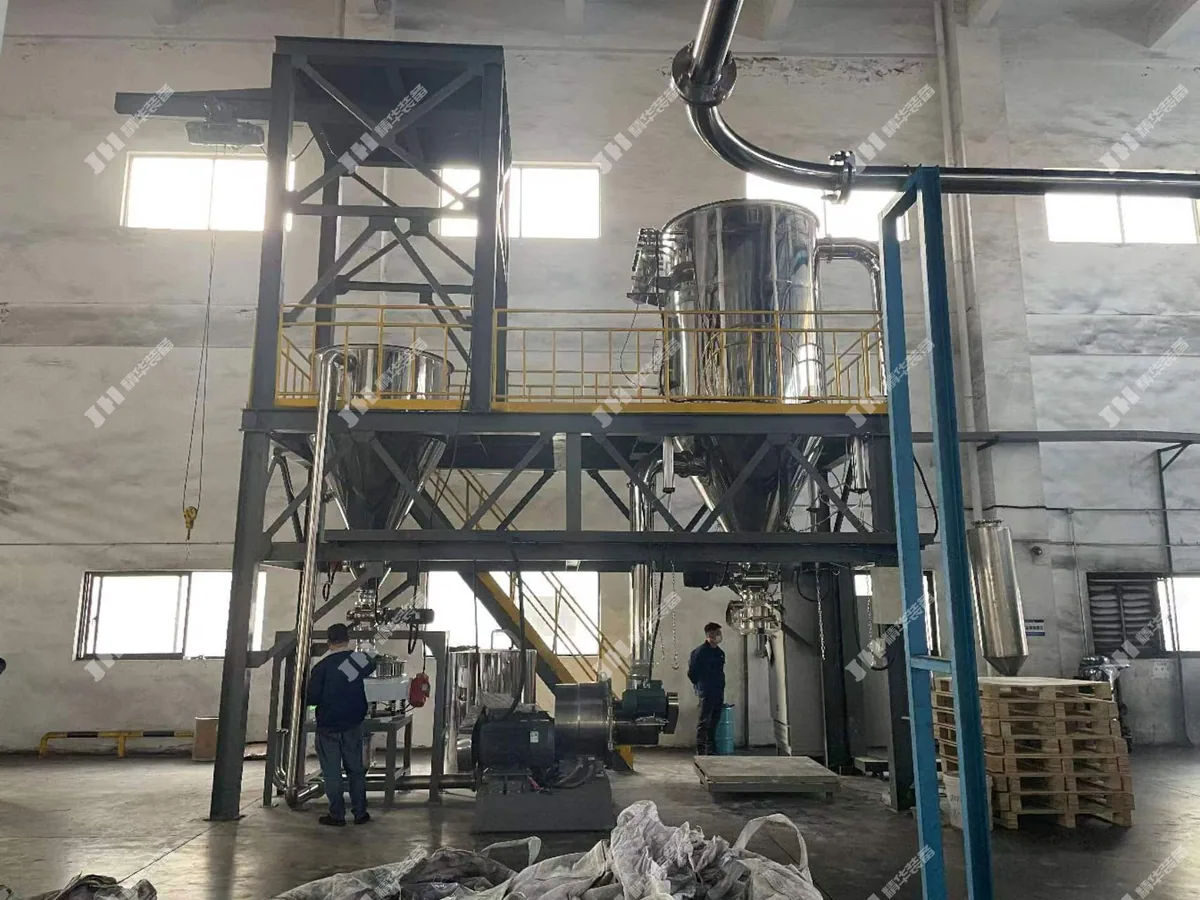
CR600 Impact Mill
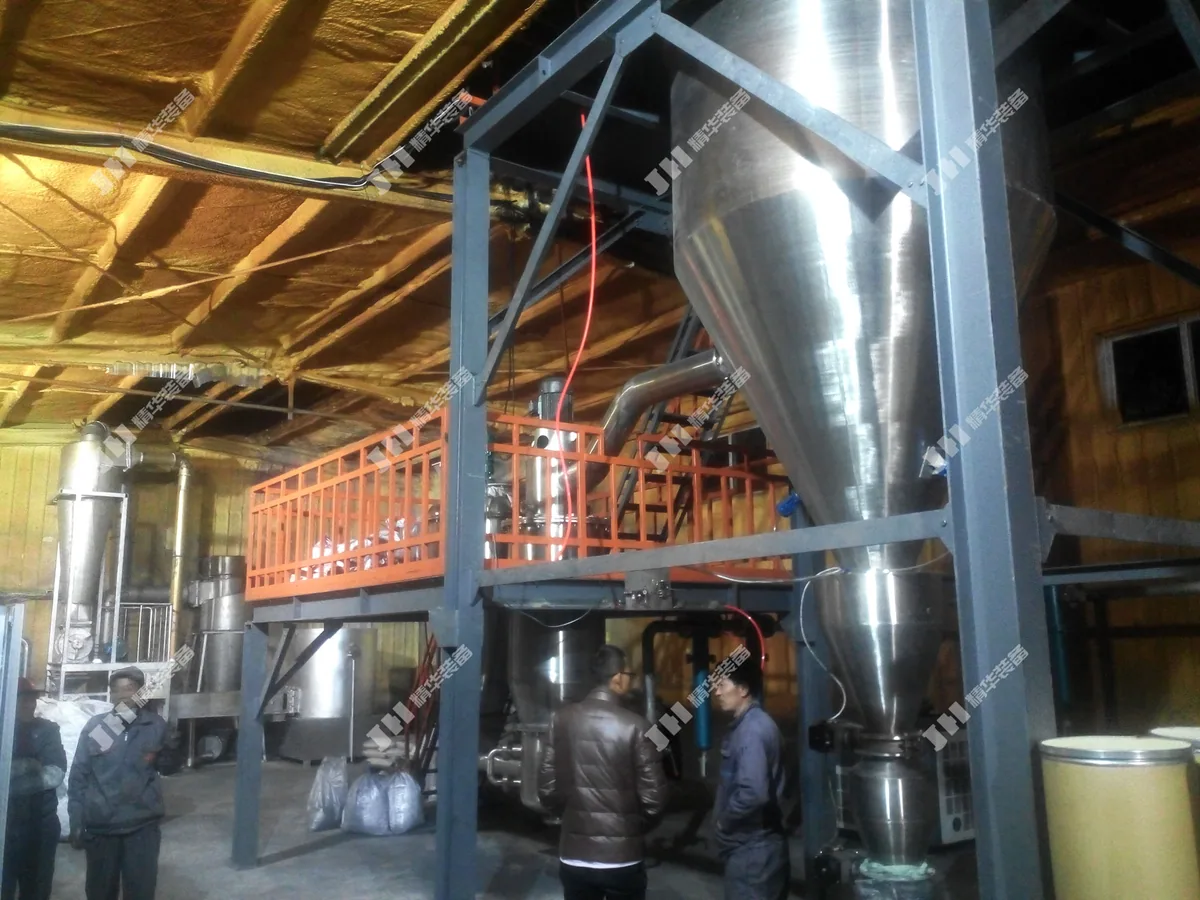
An AB20 jet mill was selected for ultrafine lithium iron phosphate processing. The project record combines a 30 μm feed, a reported D50 of 1 μm and a production capacity of 400 kg/h.
For dry ultrafine grinding where a narrow product size and low grinding temperature are important. Nitrogen-protected configurations can be evaluated for reactive materials.
View Jet MillFor battery powders that need efficient fine grinding at higher throughput, subject to material hardness, wear and contamination requirements.
View Impact MillFor controlling the cut point, removing coarse particles or operating in a closed circuit when classification stability is the main process requirement.
View AF Air Classifier