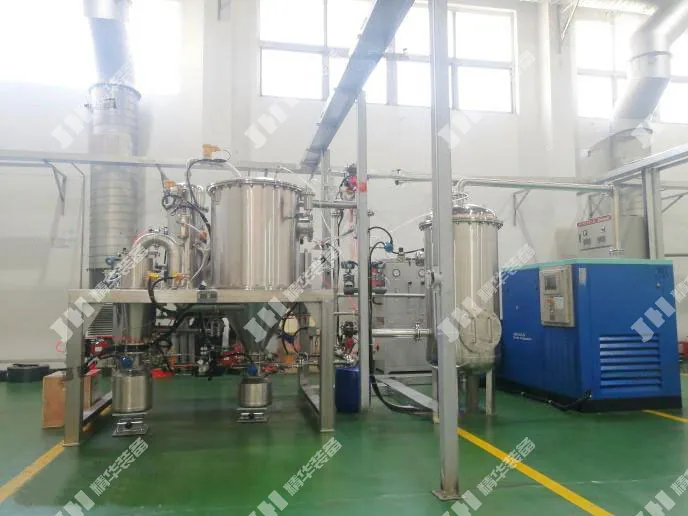
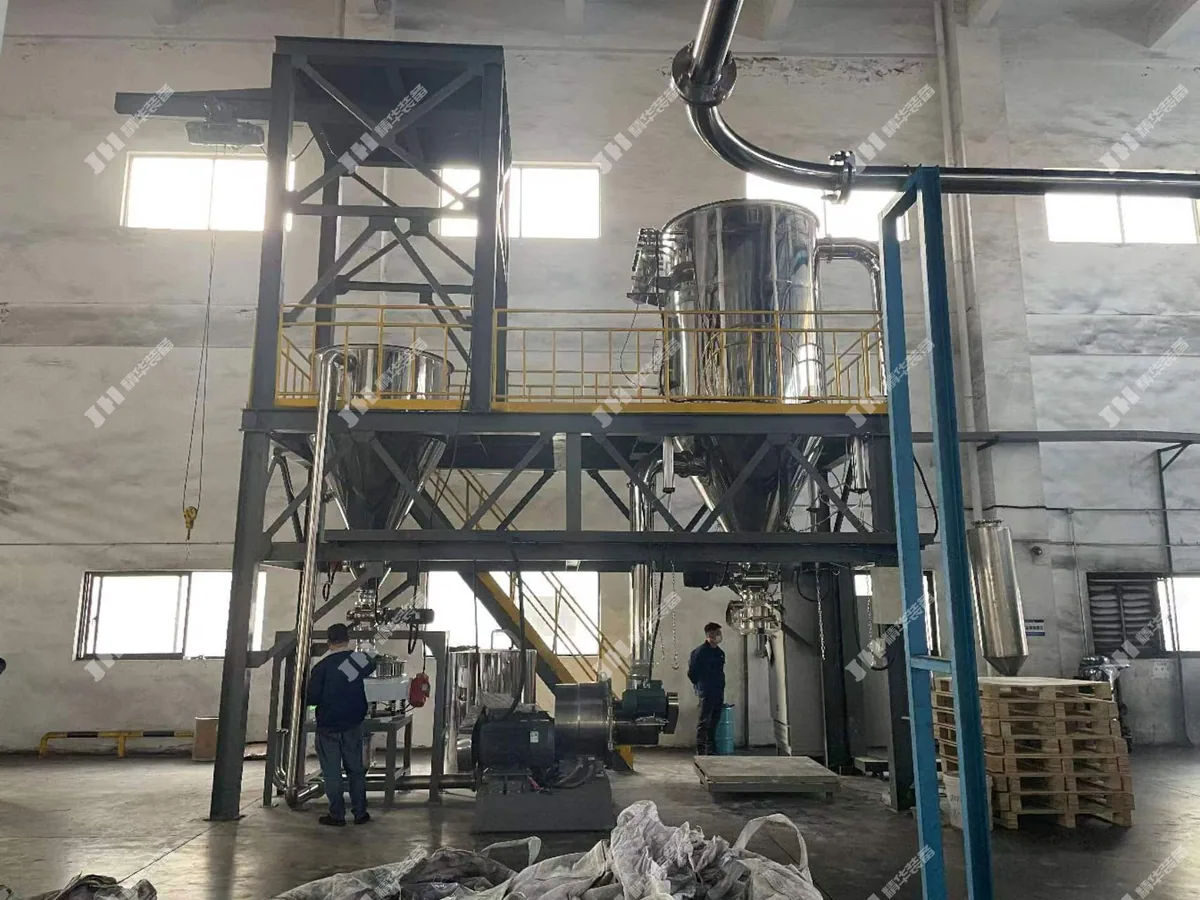
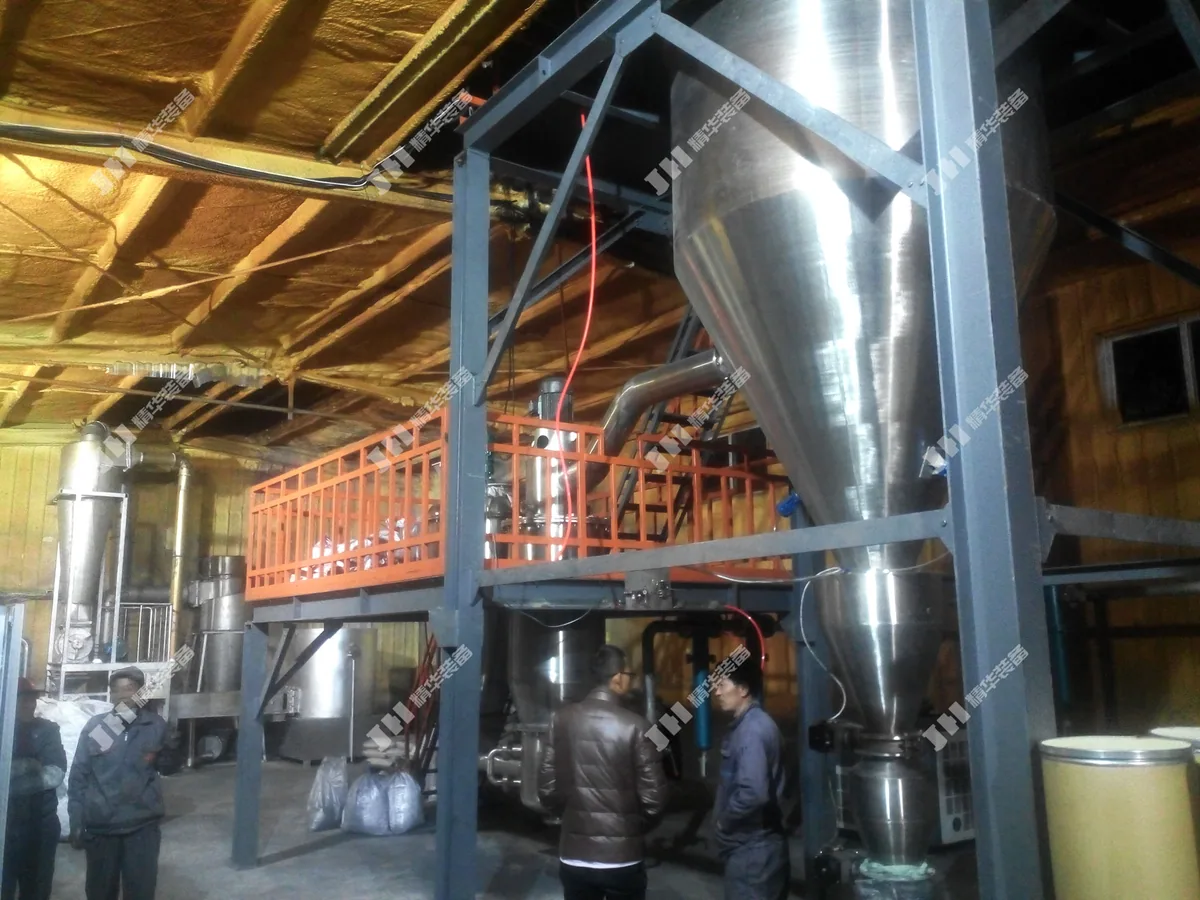
Confirm Feed and Chemistry
Review feed size, moisture, bulk density, hardness, purity limits and any oxidation or safety constraints.

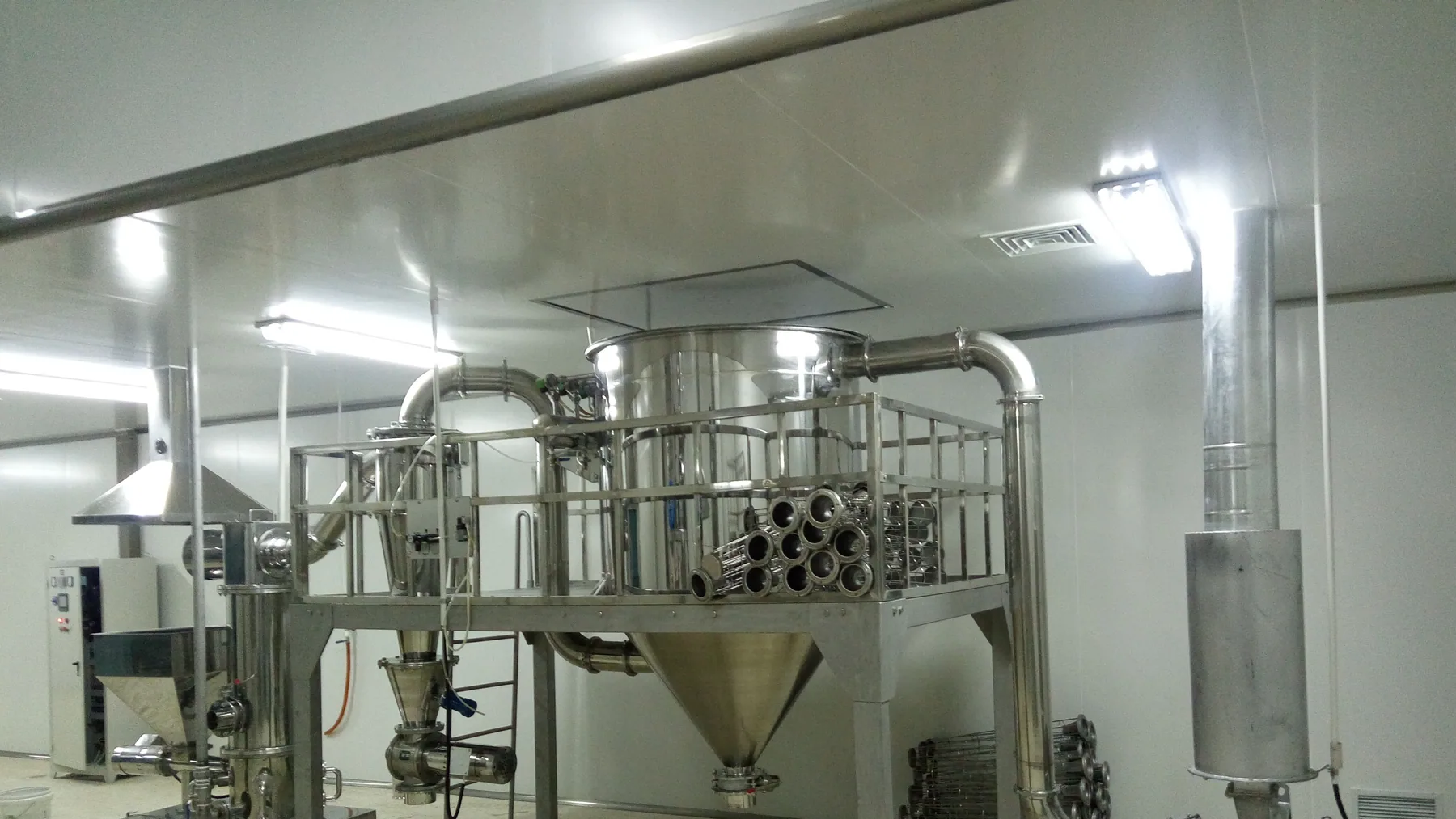 AB20 Jet Mill Project
A production-scale lithium iron phosphate grinding project using an AB20 jet mill, based on a 30 μm feed and a reported final fineness of D50 1 μm.
The project required lithium iron phosphate powder to be processed from a 30 μm feed to an ultrafine target while maintaining a production capacity suitable for an industrial line.
For this type of battery material, equipment selection also needs to consider heat generation, wear, contact-material compatibility, product collection and the consistency of the final particle-size distribution.
A comparable LFP project should start with representative material and a clear definition of the target result. The source project record supports the AB20 selection; the final configuration for a new plant must be confirmed by testing.
Review feed size, moisture, bulk density, hardness, purity limits and any oxidation or safety constraints.
Test achievable fineness, capacity trend, product collection and the stability of the target particle size.
Use the test result to select the jet mill size, classifier setting, gas supply and downstream collection arrangement.
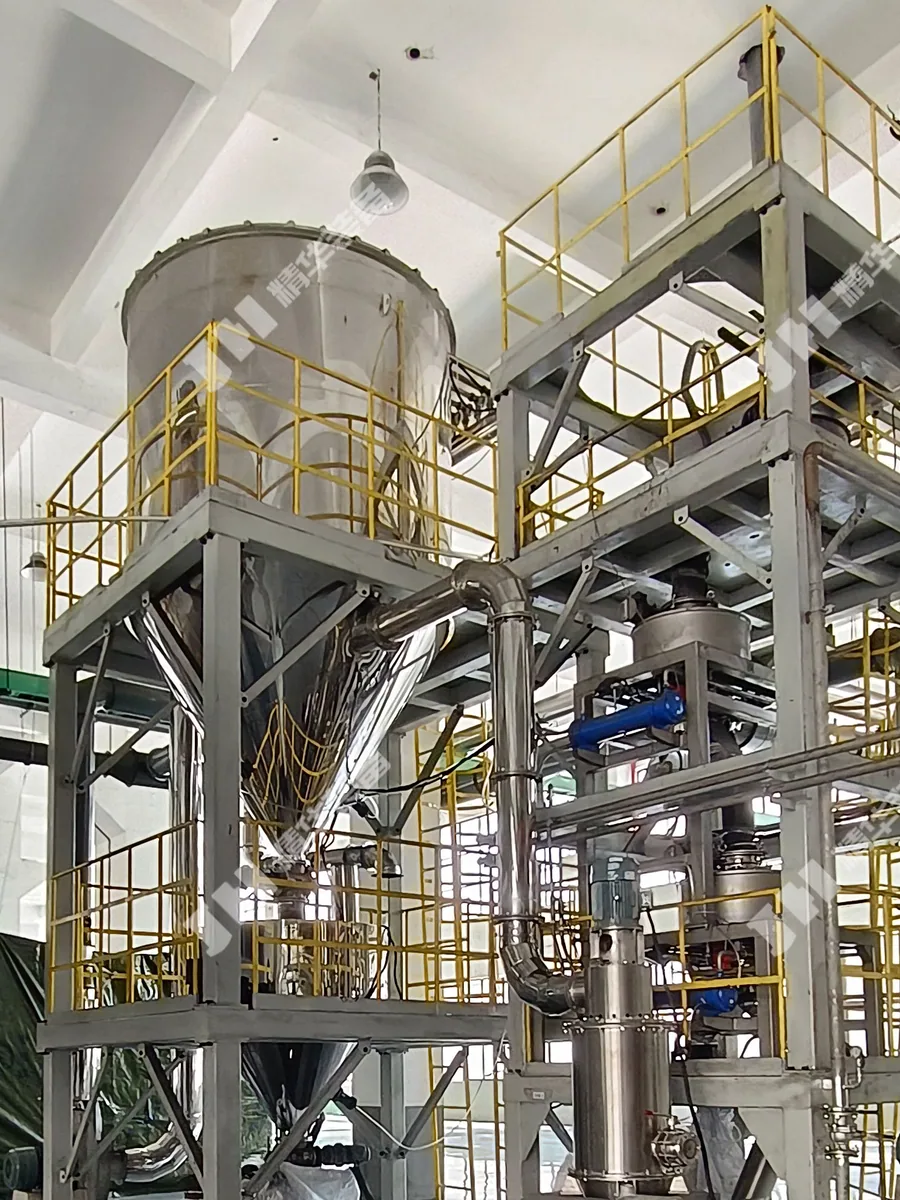
For an LFP project with similar feed and target requirements, an AB20 system can be engineered around the jet mill and an integrated classification and collection process.
The values shown here come from the supplied project record and are not a universal performance guarantee. Throughput and particle size change with feed properties, gas pressure, classifier settings and the collection system.
For a new material, Mills Powder should reproduce the target through a laboratory or pilot test before confirming a commercial configuration.
The original report is shown as supplied. No replacement curve or reconstructed particle-size distribution has been created.
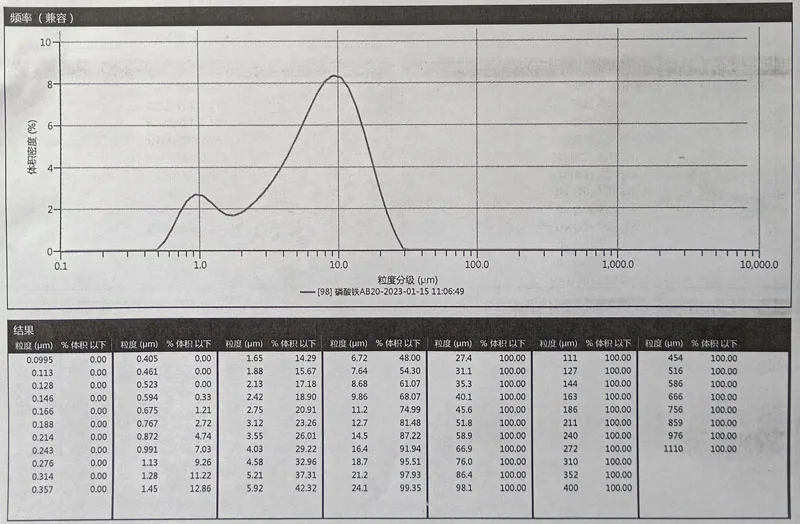
Jet milling uses high-velocity gas and particle-to-particle impact, supporting ultrafine dry grinding without mechanical grinding media.
Dynamic classification allows the cut point to be adjusted so coarse particles remain in the grinding zone for further processing.
The AB20 size matched the project record's combination of an ultrafine target and a reported 400 kg/h production requirement.
Review Mills Powder jet mill models, operating principles and typical process options for ultrafine dry grinding applications.