
Introduction
When an air-classified product begins to show a particle-size shift, the classifier wheel is one item to review—but it is not the only possible cause. Before changing wheel speed or ordering parts, compare the current material, feed condition, airflow, collection path and particle-size measurement method with the last accepted operating record.
The practical question is not whether a wheel can be blamed from one PSD result. It is whether the wheel condition, setting and surrounding process have been documented well enough to decide the next inspection or test. The Mills Powder AF Air Classifier product page is the equipment starting point; a production decision still requires a material- and site-specific engineering review.
Quick Answer
- Treat a size drift as a comparison task: confirm the sampling and PSD method before interpreting one result.
- Review wheel setting and accessible condition together with feed PSD, moisture, feed stability, airflow and collection conditions.
- Do not infer a wear rate, remaining service life or throughput change from material name alone.
- If the record does not isolate the cause, define a representative inspection or test plan rather than changing several variables at once.
Why a Wheel Review Is Only One Part of the Diagnosis
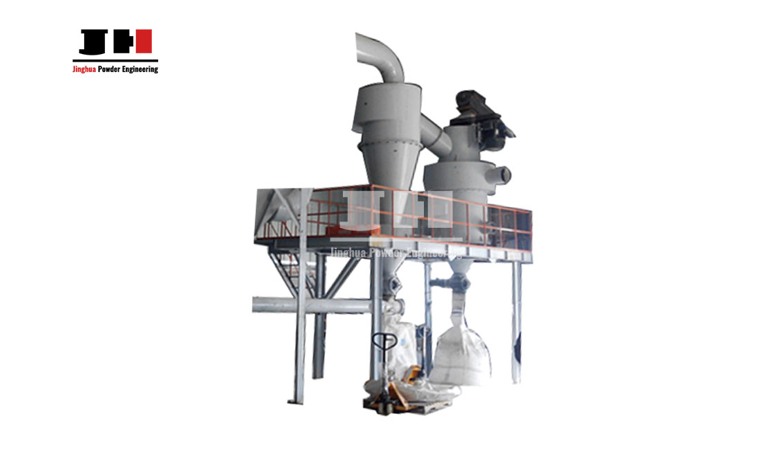
An air classifier separates particles through the balance of air movement, centrifugal action, feed behavior and collection. The wheel setting is therefore important, but a change in measured fine-product PSD can also be associated with a changed feed distribution, unstable feed rate, moisture or agglomeration, airflow condition, leakage, collection behavior, sampling location or measurement method.
This is why a useful review begins with the last accepted production or test record. If the current sample was taken differently, measured with a different method or compared against a different acceptance basis, the apparent drift may not yet be a machine finding. Keep the observation separate from the diagnosis until the conditions are comparable.
Build a Comparable Record Before Adjusting the Wheel
Use the table as a diagnostic record, not as a universal maintenance interval. It helps a buyer and supplier decide whether the next action is an operating check, an accessible inspection, a sample test or a wider engineering review.
| Record item | Why compare it | What to retain |
|---|---|---|
| PSD acceptance basis | A D50 alone may not show an oversize or top-cut change. | Last accepted and current PSD report, sampling point and measurement method. |
| Feed condition | A changed feed can alter classification before wheel condition is considered. | Material identity, feed PSD, moisture, bulk behavior and feed-rate record. |
| Wheel baseline | A setting or accessible observation needs a reference. | Wheel identification/revision, documented setting and authorized inspection notes. |
| Air and collection boundary | Airflow or collection changes can affect the observed fine product. | Relevant operating record, collection configuration and any observed change. |
| Verification plan | One adjustment cannot prove the cause by itself. | Defined next action, responsible reviewer and repeatable acceptance check. |
What to Check at the Classifier Wheel
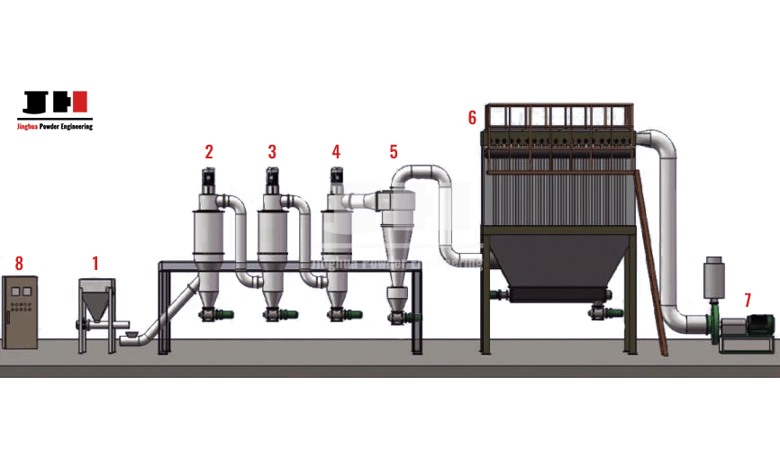
A wheel review should use the equipment manual, approved isolation procedure and site safety requirements. Depending on the accessible design and authorized inspection scope, the record can identify the wheel or drawing revision, current setting, visible build-up or damage, clearance-related observations, and any change from the previous documented condition. It should not turn a visual observation into a dimensional or performance conclusion without an agreed method.
If an inspection identifies a condition requiring action, record the observation, the measurement or evidence used, the proposed disposition and the expected verification step. A part replacement or setting change is a process change: re-check the same PSD acceptance method and the relevant feed and collection conditions before concluding that the drift has been resolved.
Separate Operating Changes From Maintenance Decisions
Changing wheel speed can be a controlled operating adjustment when the permitted setting range, material, target cut and acceptance method are defined. It is not a substitute for diagnosing a feed, airflow, sampling or collection change. Likewise, a suspected wear issue should not be converted into a fixed replacement interval without representative operating history and an agreed inspection basis.
For a new line or a post-installation handover, the Air Classifier Start-Up Acceptance Test article explains how to document material, product acceptance and system boundary. For a quotation or capacity discussion, the Air Classifier Capacity guide keeps cut point, feed PSD and output basis together. Those articles retain their roles; this article starts after a documented particle-size shift raises a targeted wheel-review question.
When to Escalate Beyond a Wheel Check
Escalate the review when the material or feed condition has changed, the PSD method cannot be compared, the drift is accompanied by collection or airflow observations, the accessible inspection cannot explain the result, or a proposed adjustment would exceed the agreed operating boundary. In those cases, a representative sample and a defined test or engineering review may be more useful than a quick component decision.
An air classifier is not automatically the right answer when the job also requires size reduction, when feed is unsuitable for stable dry classification, or when the required product limit cannot be defined by a repeatable measurement method. The process route must follow the actual material and acceptance requirement.
FAQ
Can a classifier wheel alone explain a particle-size shift?
No. Wheel condition or setting may be relevant, but feed PSD, moisture, airflow, collection, sampling and measurement method also need a comparable review.
Should we change wheel speed as soon as the product becomes coarser?
Not from one unverified result. First compare the sample and acceptance method, then identify which operating conditions changed and what adjustment is within the agreed operating boundary.
How often should an air classifier wheel be replaced?
There is no universal interval in this article. The appropriate inspection and replacement decision depends on the material, operating conditions, equipment design, documented condition and the project acceptance basis.
What should we send for a technical review?
Send the material identity, feed PSD and moisture, accepted and current PSD reports with methods, production record, wheel setting record, airflow and collection information, photos or inspection notes where permitted, and the required next decision.
Key Takeaways
A particle-size drift should be compared against a documented baseline before the classifier wheel is blamed.
The wheel, feed, airflow, collection, sampling and measurement method form one diagnostic record.
Avoid unsupported service-life or performance claims; use a defined inspection and verification step.
For an engineering review, contact Mills Powder with comparable material, PSD and operating information.
Conclusion
A useful classifier wheel review turns a vague particle-size concern into a controlled next step. If you are seeing a PSD shift, contact Mills Powder with the material, last accepted and current test reports, feed and operating record, and the decision you need to make. The team can help review whether the next step is an inspection, a controlled test or a broader system discussion.