Water-Granulated Slag
Dry classification with cut-point, abrasion and powder-recovery considerations.

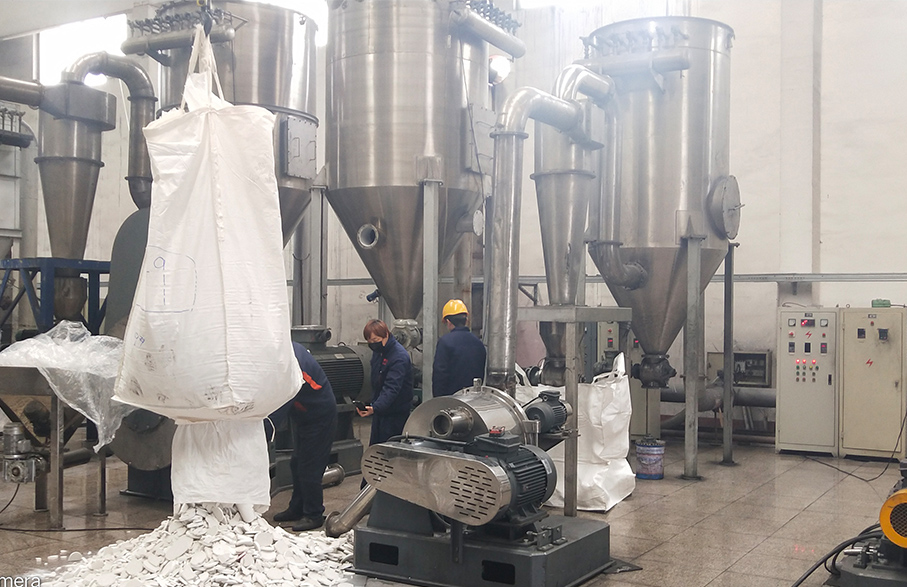 Verified Project References
Explore verified water-granulated slag and catalyst-processing references covering dry classification and impact milling with source-reported project data.
Equipment selection should consider composition, moisture, abrasiveness, valuable-component distribution, contamination limits and recovery—not only the target mesh number.
Dry classification with cut-point, abrasion and powder-recovery considerations.
Controlled milling to support valuable-material liberation and recovery.
Staged preparation and fine milling for large ceramic carrier blocks.
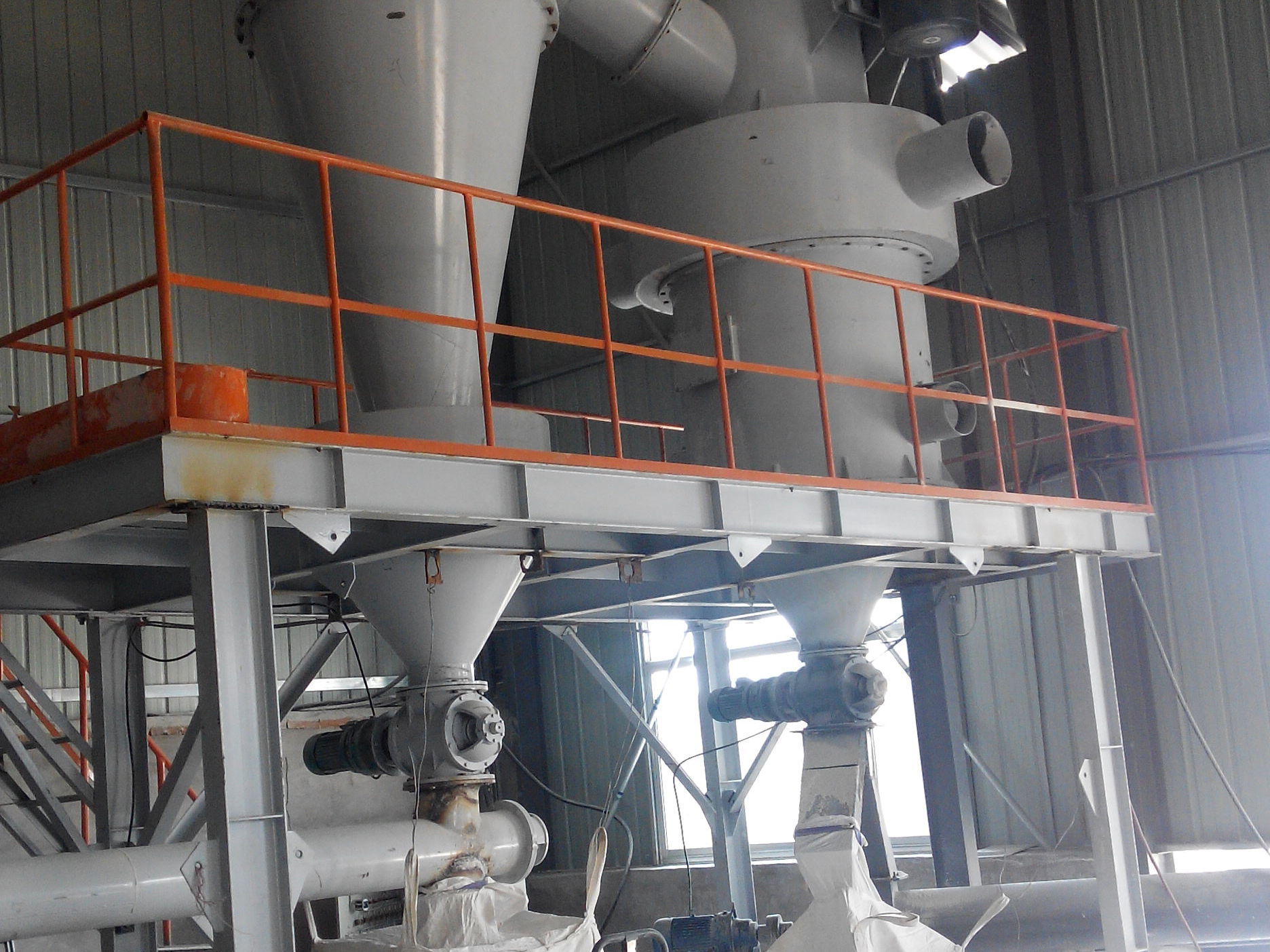
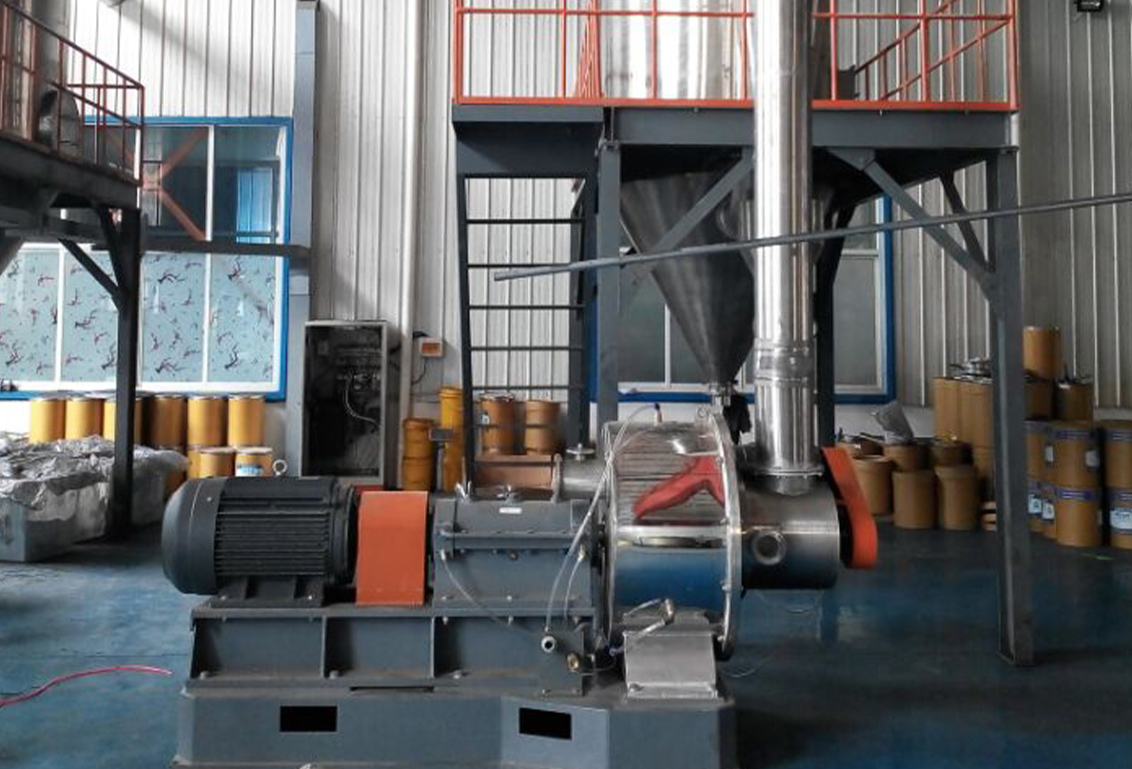
Throughput units are reproduced exactly from the authorized source pages. They should be reconfirmed during material testing before equipment selection.
Fine grinding with integrated size control for catalyst carriers and recycled powder streams.
View Impact MillDry classification for controlled product cuts and recovery from suitable feeds.
View Air ClassifierRepresentative testing before scale-up where waste composition and recovery targets vary.
View Laboratory Equipment