Confirm Feed and Purity
Review feed size, moisture, hardness, bulk density, particle shape and acceptable contamination limits.

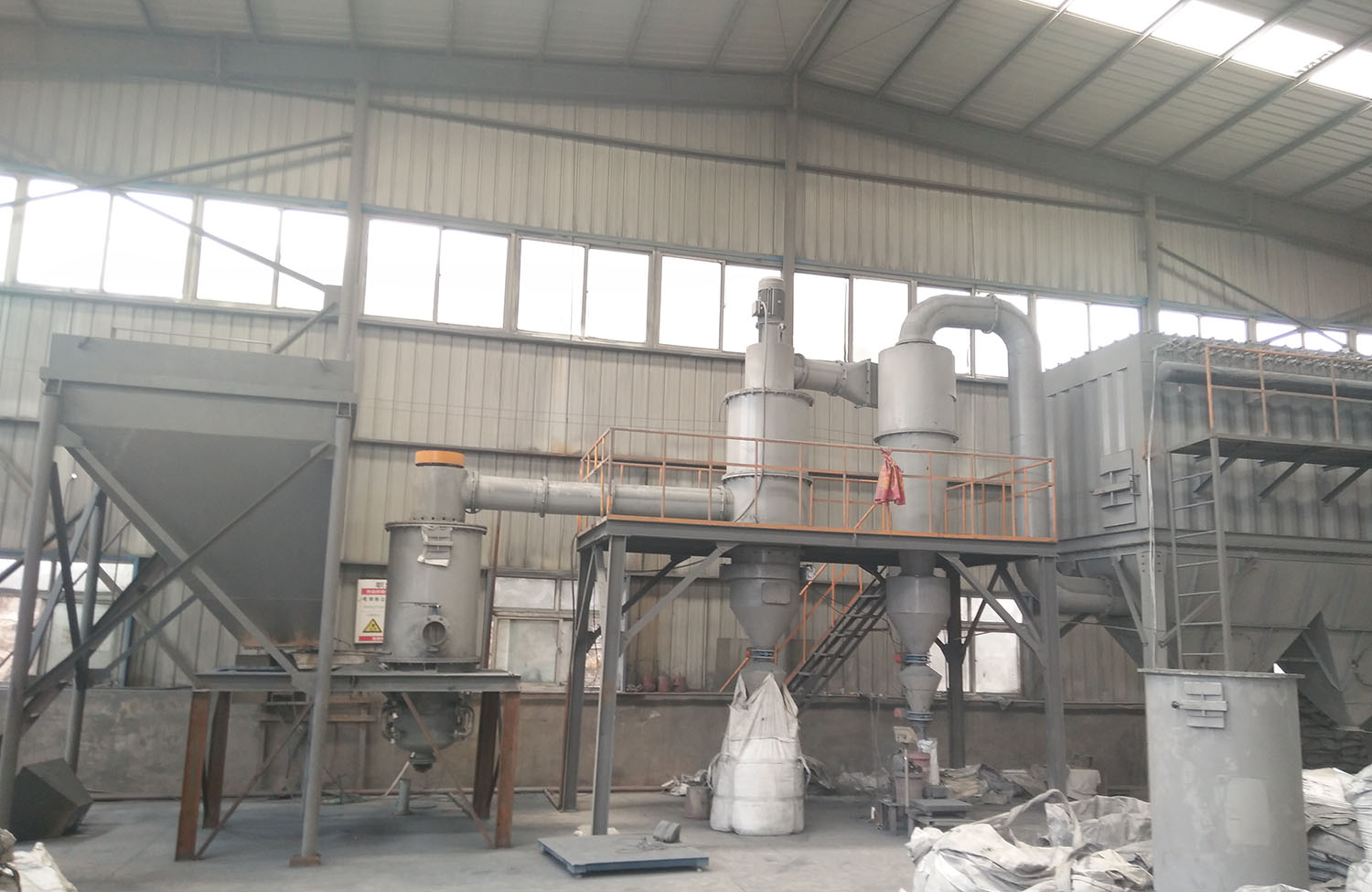 Twin AB40 Jet Mill Project
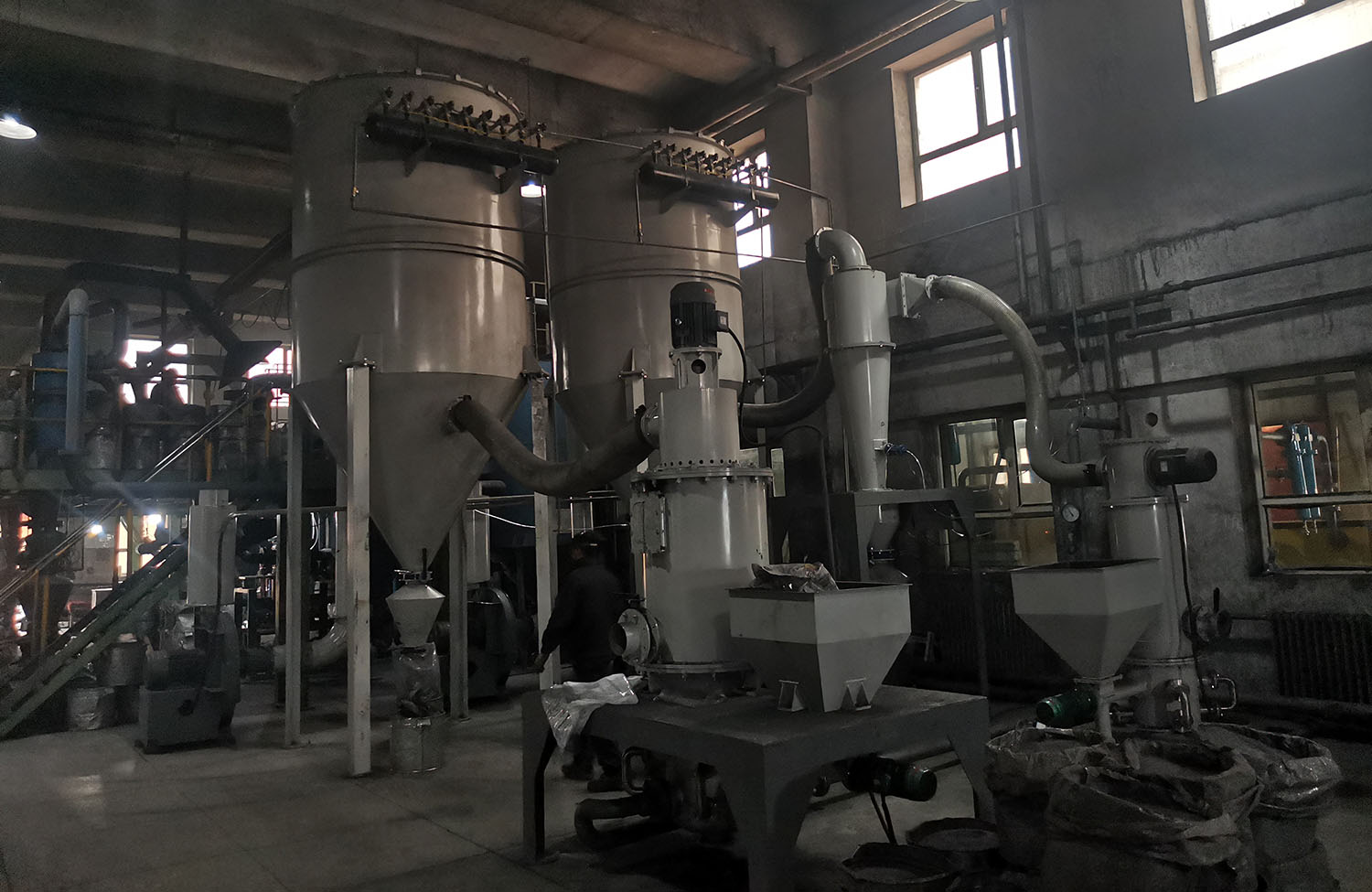
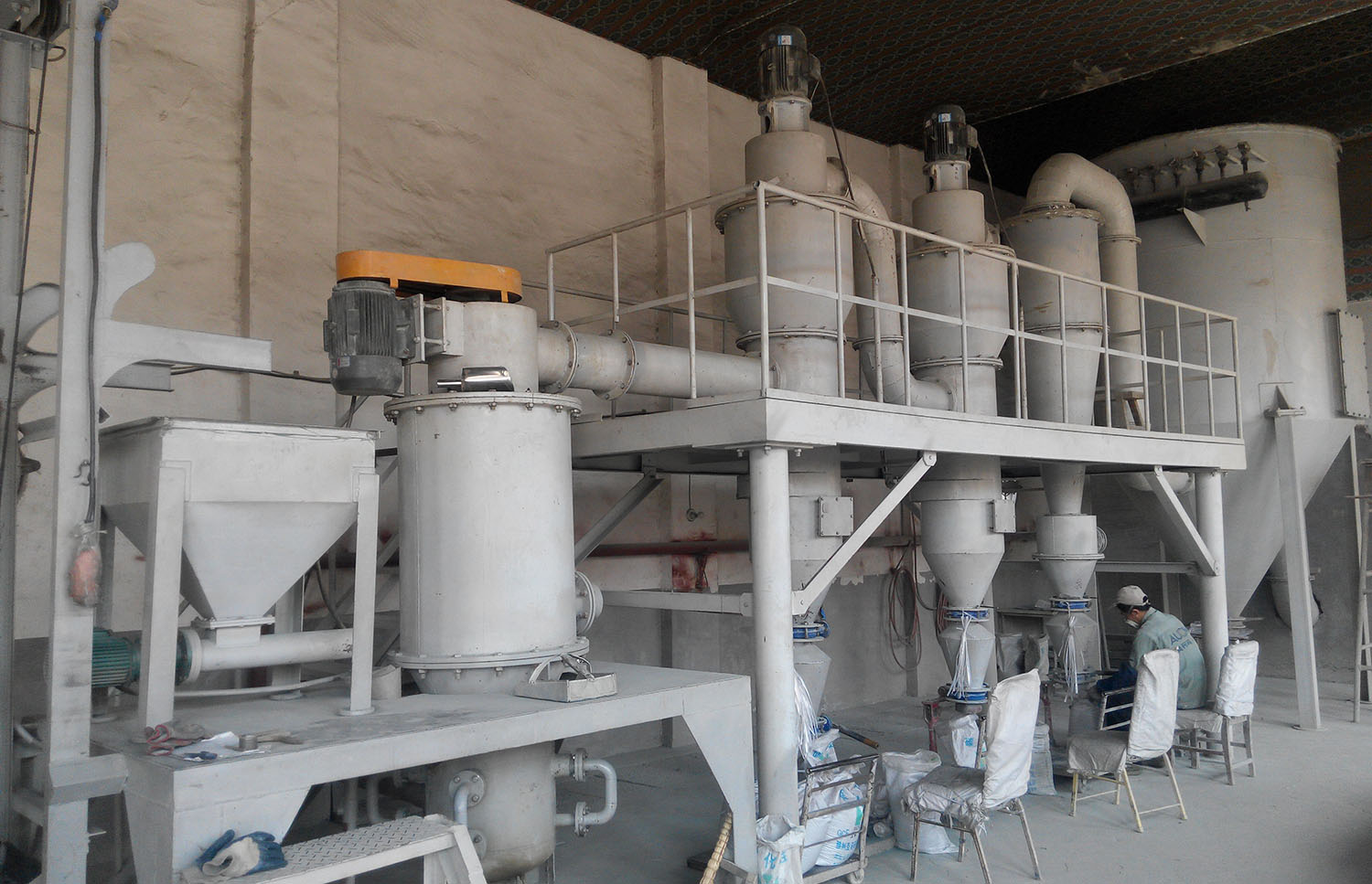
A verified Gansu project used two AB40 jet mills to process silicon carbide below 1 mm into 80, 240 and 325 mesh product grades at a reported 700 kg/h.
The project required multiple silicon carbide product grades from feed below 1 mm while maintaining a reported total capacity of 700 kg/h.
Silicon carbide is highly abrasive, so a comparable project should evaluate contact-material wear, contamination limits, classification accuracy and product recovery during testing.
The reported values document one completed reference. A new line should be selected from representative material testing because hardness, shape, purity and feed condition can change the result.
Review feed size, moisture, hardness, bulk density, particle shape and acceptable contamination limits.
Verify the achievable particle size, capacity trend, product recovery and wear behavior.
Use the test result to select the mill size, classifier settings, contact materials and collection arrangement.
A comparable high-throughput project can be evaluated around parallel AB40 jet mill trains with material-specific wear protection and product collection.
These values come from the authorized project record and describe this reference only. They are not a universal performance guarantee.
A new material should be tested before model selection because feed condition, operating settings, purity requirements and collection efficiency all affect capacity and particle size.
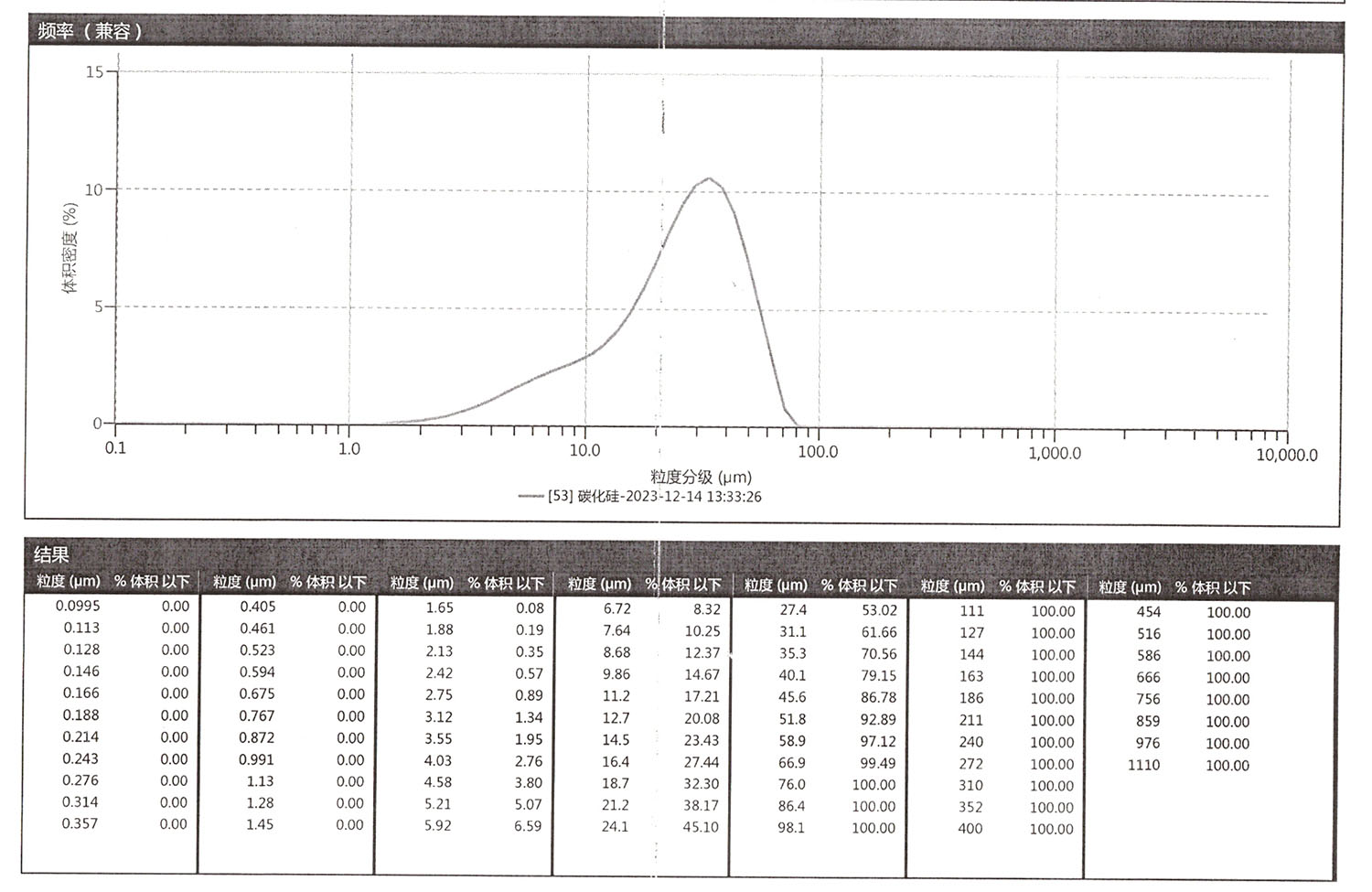
The original report is displayed as supplied. No replacement curve or reconstructed particle-size distribution has been created.
Review Mills Powder jet mill models and process options for dry fine grinding of hard and high-value powder materials.