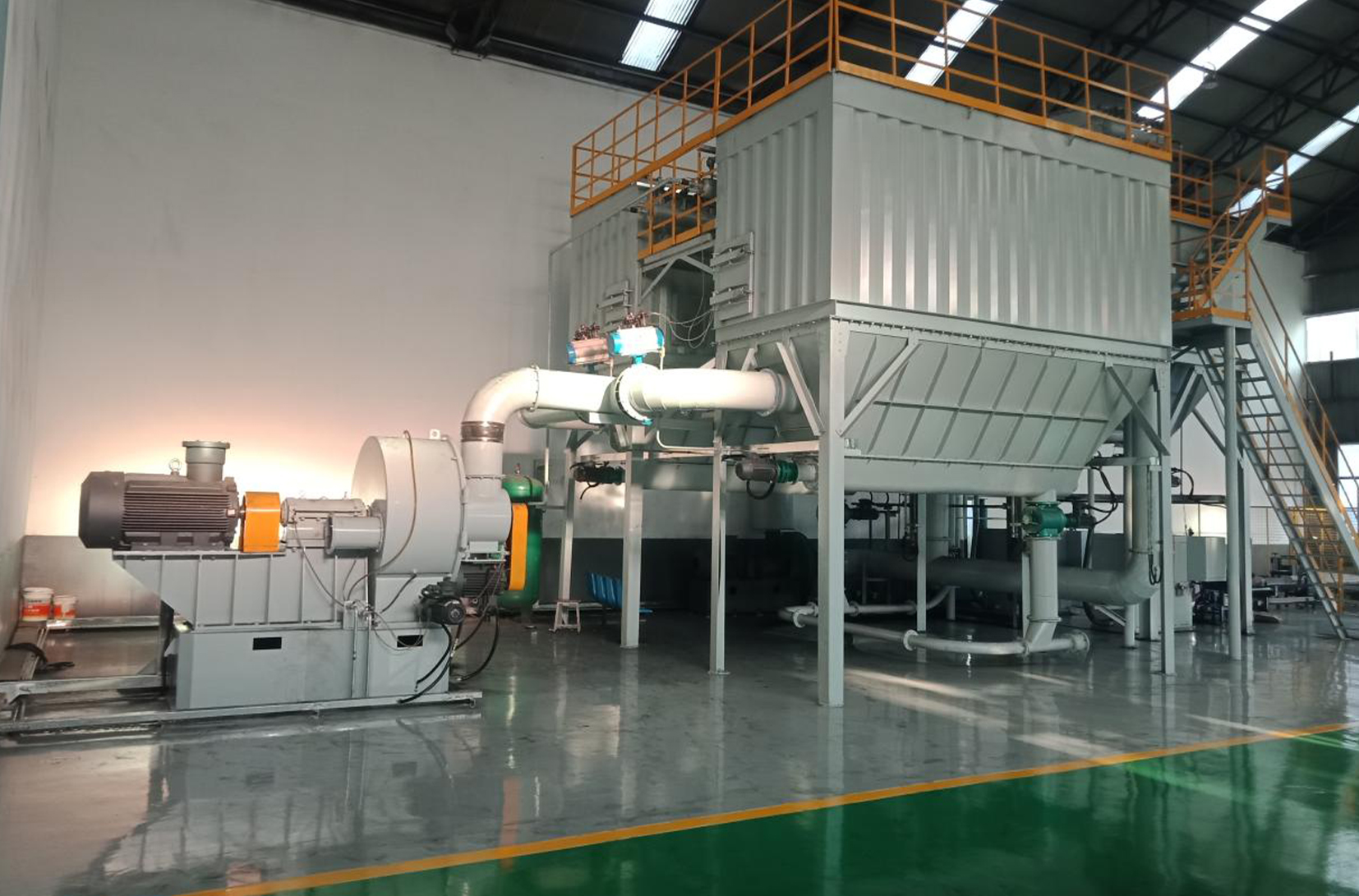
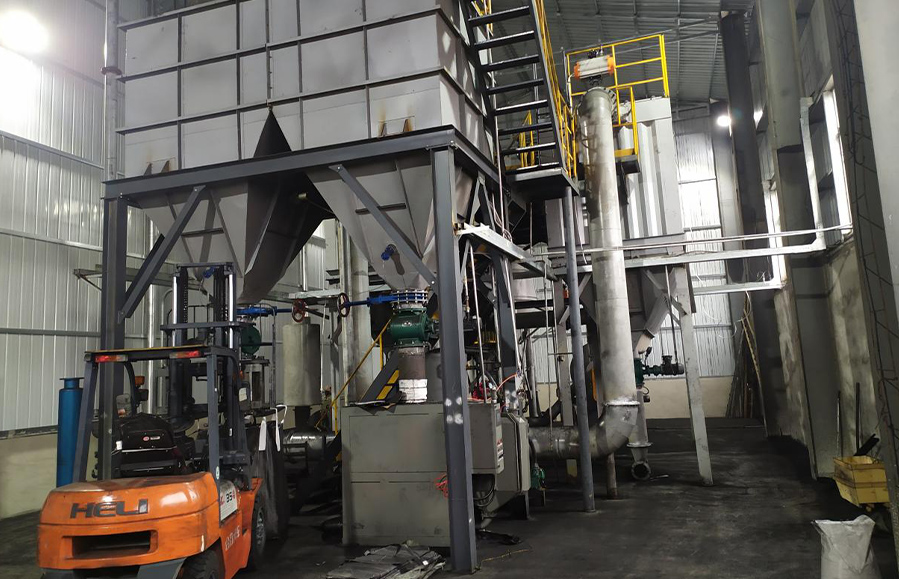
Characterize Recovered Carbon Black
Review feed size, moisture, ash, volatiles, metal or fiber residues, bulk density and storage behavior.

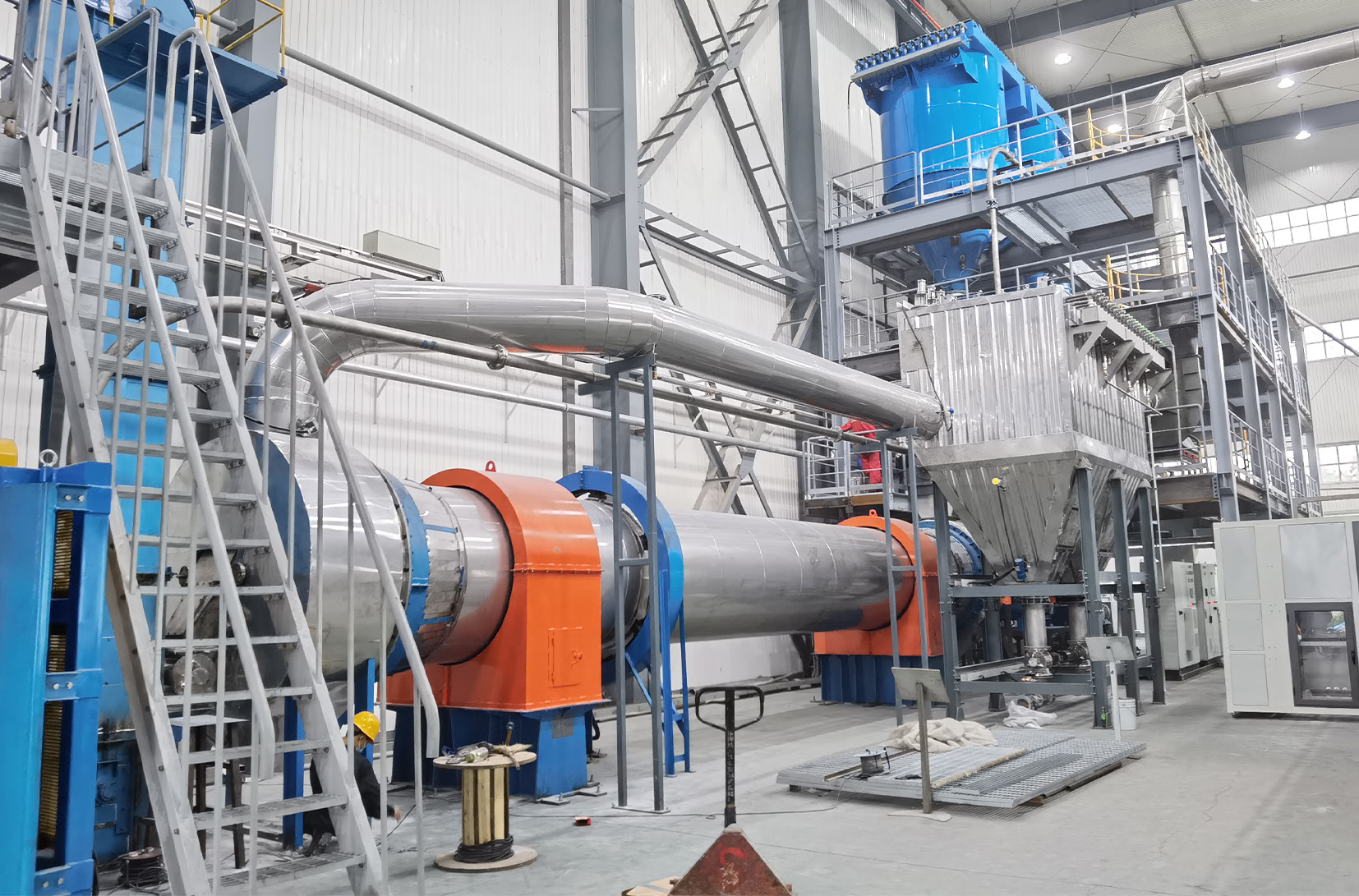 Grinding and Granulation Project
A verified Anhui project processed pyrolysis carbon black below 5 mm to a reported D100 800 mesh product, followed by 0–3 mm granulation, at 1,500 kg/h.
The project required pyrolysis carbon black below 5 mm to reach a reported D100 800 mesh powder and then form 0–3 mm granules at 1,500 kg/h.
A comparable line should define the powder specification, granule strength, moisture or binder strategy, downstream packaging and acceptable recycle rate before system selection.
The reported values document one completed reference. A new line should be selected from feed composition, ash and volatile content, incoming agglomerate size, target fineness, downstream use and annual operating plan.
Review feed size, moisture, ash, volatiles, metal or fiber residues, bulk density and storage behavior.
Measure achievable distribution, usable yield, temperature trend, flowability and collection behavior.
Select grinding, classification, collection and optional granulation stages around the target application.
A comparable project can be evaluated as an integrated route from feed preparation and fine grinding through powder transfer and granulation. The exact granulation method must be confirmed by product testing.
These values come from the authorized project record and describe this reference only. They are not a universal performance guarantee.
A new material should be tested before model selection because composition, moisture, temperature limit, operating settings and product collection all affect capacity and particle size.
Review the Mills Powder impact mill range as the related grinding stage. Granulation equipment and operating parameters require separate product-specific confirmation.