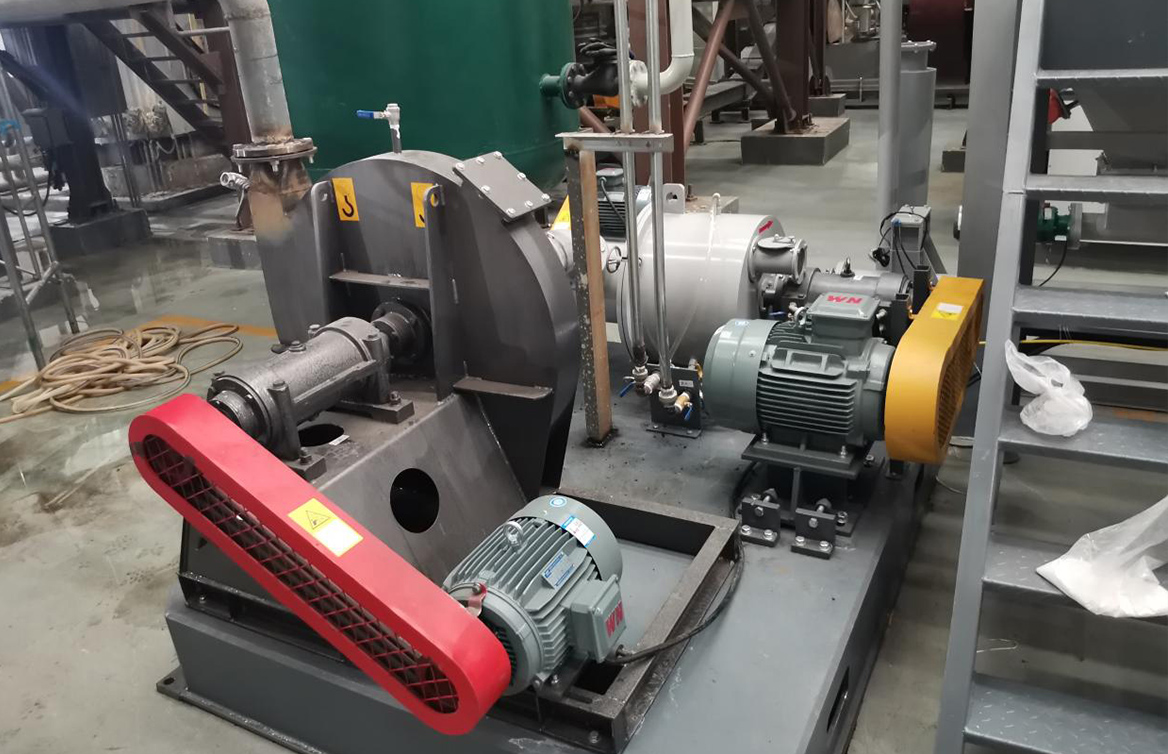
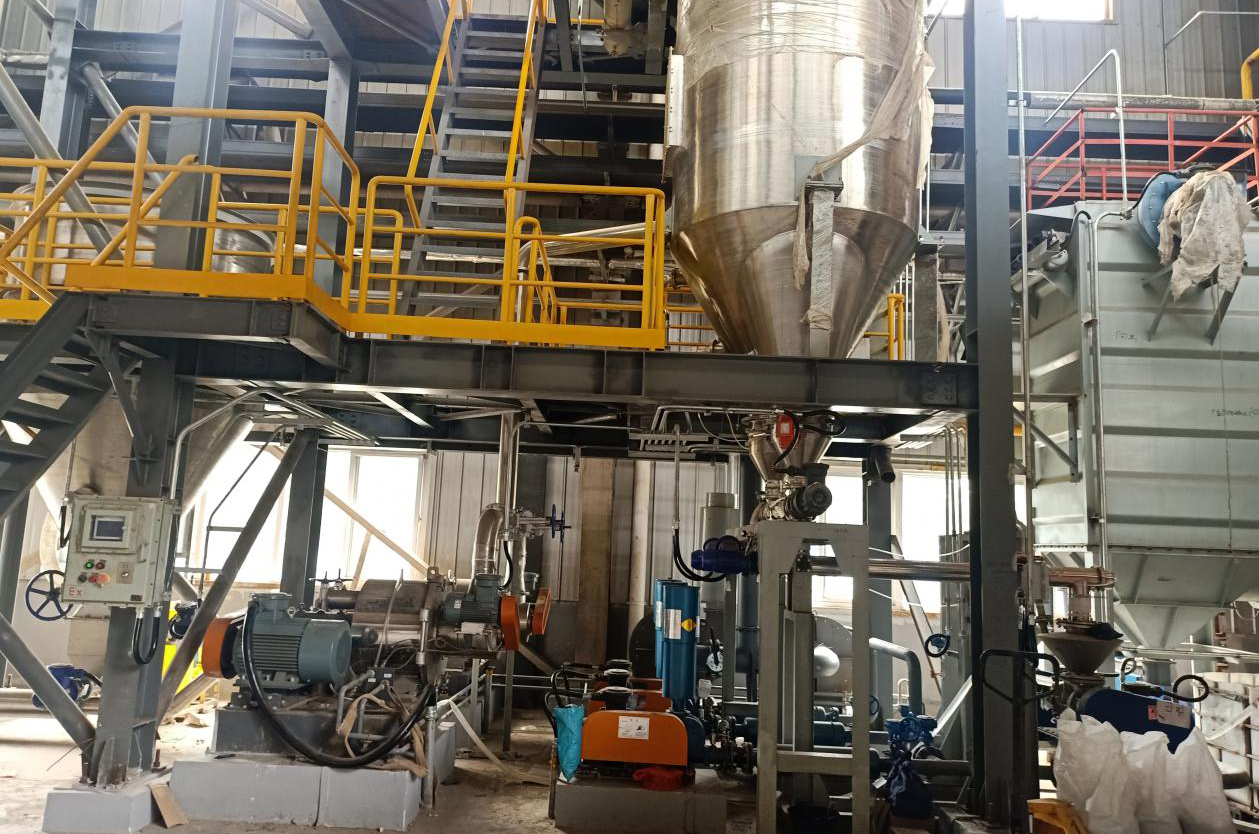
Confirm Feed Quality
Review incoming mesh, moisture, flowability, bulk density and storage conditions.

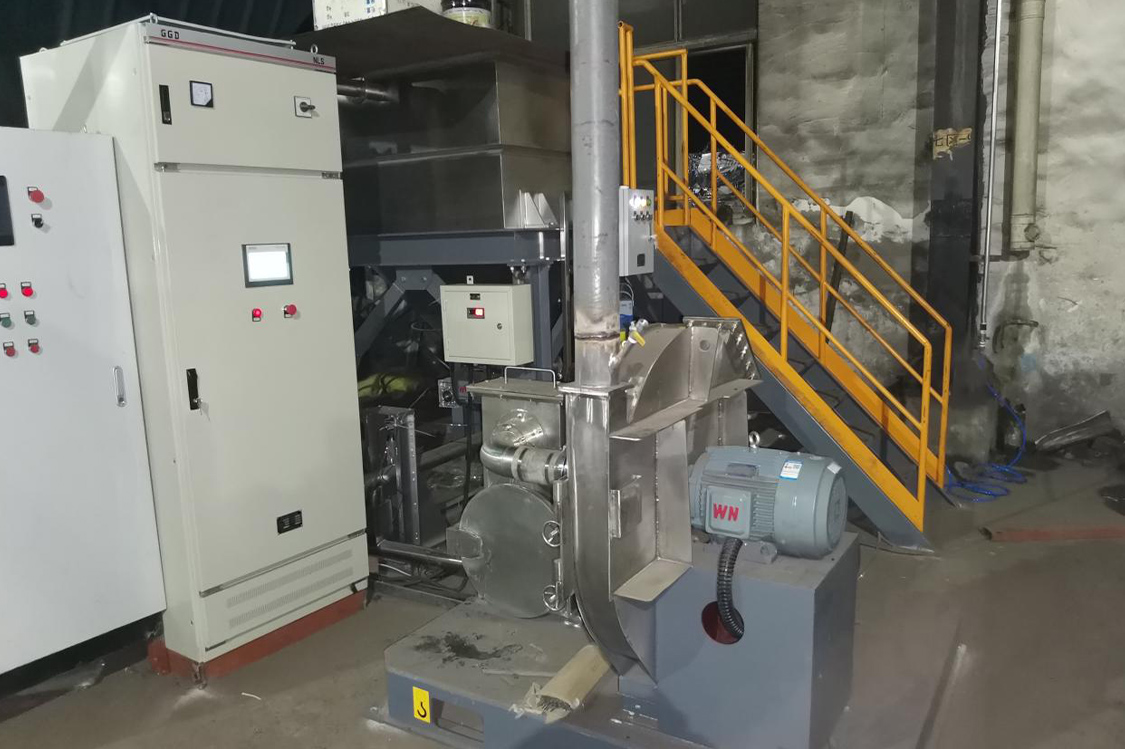 Baking Soda Grinder Project
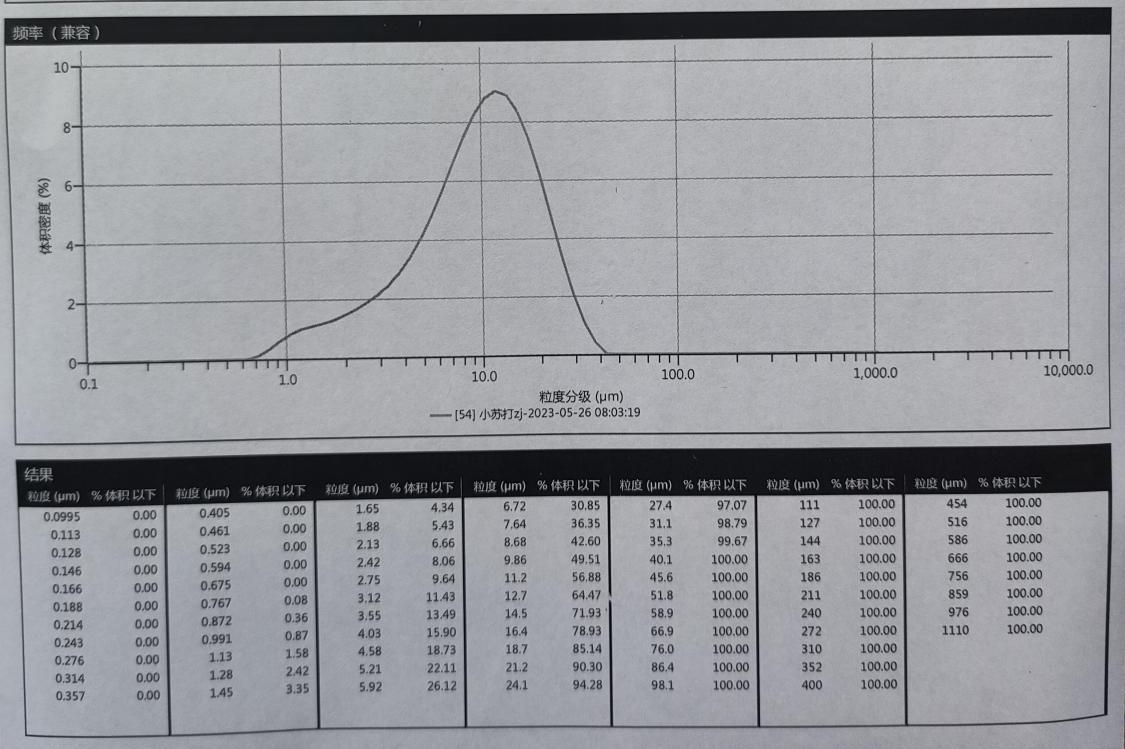
A verified Zhejiang project used a dedicated baking soda grinder to process 100 mesh feed into a reported 600–700 mesh product at 400–500 kg/h for desulfurization use.
The project required 100 mesh baking soda feed to reach a reported 600–700 mesh product at 400–500 kg/h.
A comparable dry desulfurization project should confirm required reagent distribution, flue-gas conditions, injection rate, storage environment, moisture and turndown range.
The reported values document one completed reference. A new system should be selected from actual reagent quality, target fineness, flue-gas conditions, injection demand and required operating range.
Review incoming mesh, moisture, flowability, bulk density and storage conditions.
Measure achievable distribution, stable throughput, temperature trend and product flowability.
Select grinder size, metering, collection and connection to the plant desulfurization process.
A comparable project can be evaluated around a dedicated baking soda grinder with controlled feeding and direct connection to the downstream reagent-handling system.
These values come from the authorized project record and describe this reference only. They are not a universal performance guarantee.
A new material should be tested before model selection because composition, moisture, temperature limit, operating settings and product collection all affect capacity and particle size.
The original report is displayed as supplied with the authorized project material. No replacement curve or reconstructed particle-size distribution has been created.
Review the Mills Powder impact mill range as the related fine-grinding platform. Baking soda desulfurization duty requires material-specific configuration and testing.